Suicidal Thoughts and Behaviors
Antiepileptic drugs (AEDs), including Primaxa™ ODT (primidone orally disintegrating tablets), may increase the risk of suicidal thoughts or behavior. This risk is class-wide and applies to all AEDs, regardless of indication. Monitor all patients for new or worsening depression, suicidal ideation, or unusual changes in mood or behavior. Inform patients, caregivers, and families to be alert for these symptoms and to report them immediately.
Abrupt Withdrawal
Abrupt discontinuation of Primaxa ODT may result in increased seizure frequency or status epilepticus. Withdrawal should be done gradually under close medical supervision to minimize risk.
Central Nervous System Depression
Primaxa ODT can cause dose-dependent CNS depression. The most frequently reported side effects include sedation, dizziness, ataxia, vertigo, nausea, and visual disturbances. Caution patients against performing activities requiring mental alertness, such as driving or operating machinery, until they understand how the medication affects them.
Hematologic Abnormalities
Serious blood disorders have been reported with Primaxa ODT, including agranulocytosis, aplastic anemia, and red cell aplasia. Periodic complete blood counts are recommended during prolonged therapy. Megaloblastic anemia may also occur as a rare idiosyncratic reaction and typically responds to folic acid supplementation without discontinuing therapy.
Use in Pregnancy
The effects of primidone in human pregnancy are not well established. Use during pregnancy only if the potential benefit justifies the potential risk to the fetus. AEDs have been associated with an increased incidence of birth defects. Neonatal bleeding resembling vitamin K deficiency has been reported; consider vitamin K₁ supplementation during the last month of pregnancy.
Use in Lactation
Primidone and its metabolites are excreted into breast milk in substantial quantities. Monitor nursing infants for signs of sedation or feeding difficulties. Discontinue breastfeeding if adverse effects are observed.
Phenylketonuria Warning
Primaxa ODT contains aspartame, a source of phenylalanine. Use with caution in patients with phenylketonuria.
Maximum Dosage Limitation
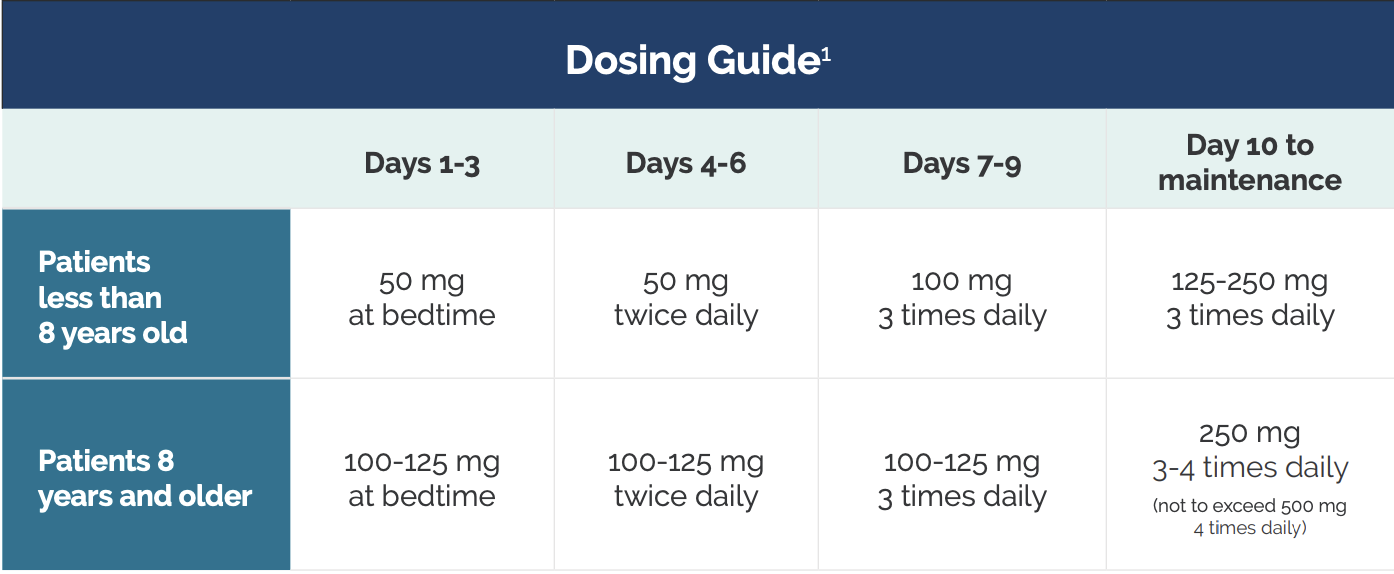
The total daily dose of Primaxa ODT should not exceed 2 grams. Therapeutic effects may take several weeks to be fully realized. Patients on long-term treatment should undergo periodic monitoring, including bloodwork and metabolic panels (e.g., SMA-12) every 6 months.
Adverse Reactions
The most common side effects include nausea, anorexia, vomiting, fatigue, hyperirritability, emotional disturbances, sexual dysfunction, diplopia, nystagmus, drowsiness, and morbilliform skin eruptions. Early side effects such as ataxia and vertigo tend to resolve with continued therapy or dose reduction. Rare but serious events include dermatologic reactions and hematologic abnormalities. Most adverse events are dose-related and may subside with dosage adjustment or continued use.
Please see full Prescribing Information and Medication Guide for additional Important Safety Information.
References: 1. J2Bio-Pharma. PRIMAXA ODT (primidone) [prescribing information]. City, State: Manufacturer; 2026. 2. Wheless JW, Richardson B, Rubinos C, Faught E, Vuong M. Dysphagia in epilepsy patients: the silent enemy. Neurol Clin Practi. 2025;15(1)e200362. 3. Plessinger D, Ryan MP, Gache LM, et al. Estimating the incremental burden of dysphagia in epilepsy patients: a retrospective payer database analysis. Presented at: American Epilepsy Society Annual Meeting: December 4-8, 2020 [virtual].