

Getting started with PRIMAXA ODT
PRIMAXA ODT is an orally dissolving tablet that works quickly. It easily melts on the tongue in less than 30 seconds without the need for chewing or swallowing.
When first starting treatment, you will be prescribed a lower dose that will gradually increase so your body can adjust. This will help reduce early side effects.
Designed for personalized dosing
PRIMAXA ODT comes in 4 doses, some with scored (indented) tablets, to simplify dosing adjustments and enable personalized treatment for your child.
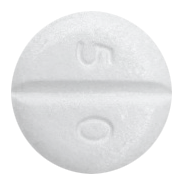
50 mg (scored)
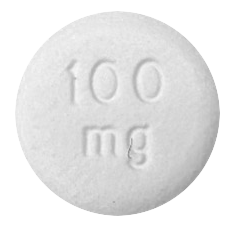
100 mg
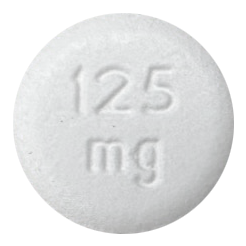
125 mg
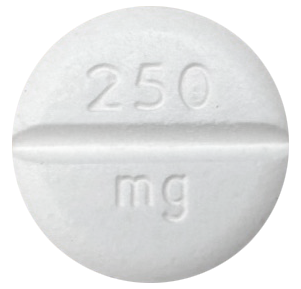
250 mg (scored)
Tablets shown are not at actual size.
How to take PRIMAXA ODT
Work with your prescribing doctor to determine exact dosing for you or your child. The dose and schedule may be adjusted over time to meet individual needs. For more information, see the Medication Guide.

Do not change the dose without first speaking with your doctor.

Do not stop taking PRIMAXA ODT suddenly, as this may cause serious problems.

If you think your child has taken too much, contact your doctor or Poison Control Center.
For caregivers
Convenient for routines
Taking medicine at the same time every day is important for managing seizures. Setting a reminder can help your child stay on track with their treatment.
PRIMAXA ODT doesn’t require chewing or swallowing, and it’s designed to be easy and convenient to fit into your child’s daily routine.
Did you know?
The active ingredient in PRIMAXA ODT has been used to treat epilepsy for decades. New PRIMAXA ODT is a quick-dissolving tablet designed to help you manage treatment conveniently.
IMPORTANT SAFETY INFORMATION
What is the most important information I should know about Primaxa™ ODT?
Primaxa ODT is a medicine used to help control certain types of seizures. Like many seizure medications, Primaxa ODT can cause serious side effects in some people. Be sure to talk to your healthcare provider before starting this medication.
Serious warnings and precautions:
- Suicidal thoughts or actions:
Seizure medicines like Primaxa ODT may increase the risk of suicidal thoughts or behaviors. Call your healthcare provider right away if you or your caregiver notice new or worsening depression, mood changes, or thoughts of harming yourself. - Do not stop suddenly:
Do not stop taking Primaxa ODT without talking to your healthcare provider. Suddenly stopping can cause serious problems, including more seizures or a life-threatening condition called status epilepticus. - Drowsiness and dizziness:
Primaxa ODT can make you sleepy, dizzy, or cause problems with coordination. Do not drive or operate machinery until you know how Primaxa affects you. - Serious blood problems:
Rare but serious blood disorders (such as anemia or low white blood cell counts) have been reported. Your healthcare provider may do regular blood tests to check for problems. - Birth defects and pregnancy risks:
The effects of Primaxa ODT in pregnant women are not well known. Like many seizure medications, it may carry a risk of birth defects. If you are pregnant or planning to become pregnant, talk to your healthcare provider about the risks and benefits. Some women may need vitamin K during the last month of pregnancy. - Breastfeeding:
Primidone and its byproducts can pass into breast milk. Talk to your provider about the risks if you are nursing. Watch for unusual drowsiness or feeding problems in your baby. - Phenylketonuria (PKU) warning:
Primaxa ODT contains aspartame, which is a source of phenylalanine. People with PKU should speak with their doctor before using this medicine. - Do not take more than prescribed:
The maximum dose of Primaxa ODT is 2 grams per day. It may take several weeks to see the full effects. Your doctor may order regular check-ups or lab work while you take this medication.
What are the possible side effects?
The most common side effects of Primaxa ODT include:
- Sleepiness or drowsiness
- Dizziness, vertigo, or balance problems
- Nausea, vomiting, or loss of appetite
- Blurred or double vision
- Skin rash or itching
- Feeling irritable, tired, or emotionally sensitive
- Sexual side effects
Serious side effects that require immediate attention include:
- Unusual bruising or bleeding
- Fever or sore throat
- Yellowing of the skin or eyes
- Trouble breathing or chest pain
- Thoughts of harming yourself
These are not all the possible side effects. Call your doctor for medical advice about side effects.
You may report side effects to the FDA at 1-800-FDA-1088 or visit www.fda.gov/medwatch.
Please see full Prescribing Information for additional safety and dosing information.